Robert Thompson & SS Empire Spring
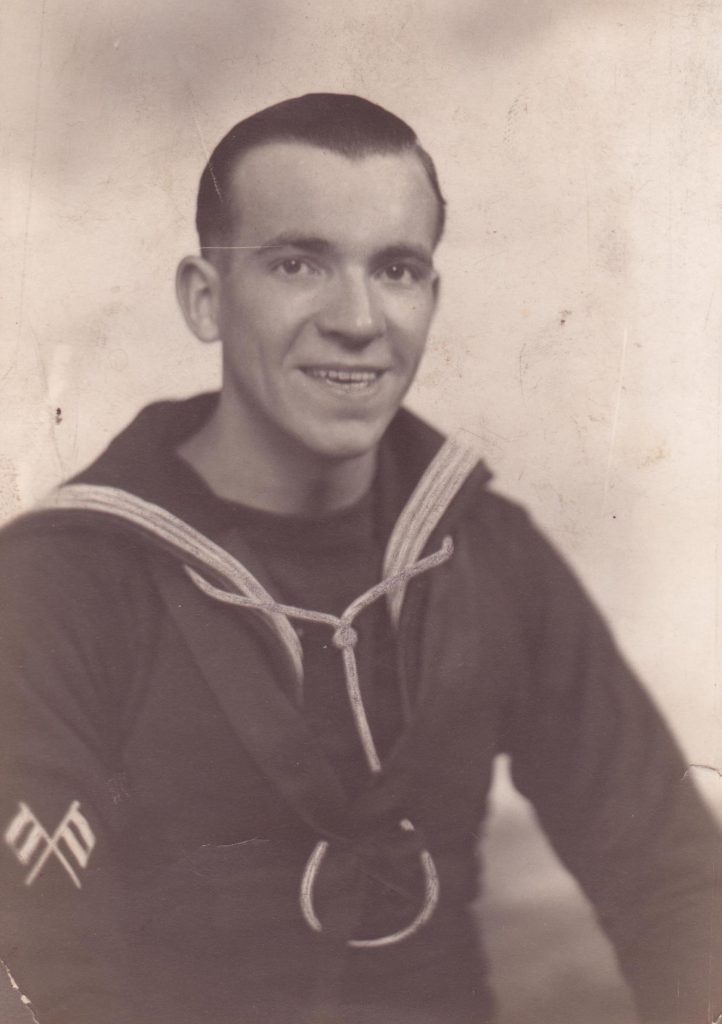
Leading Signalman Robert Thompson, aged 24, served as one of six Royal Navy staff aboard the CAM Ship, SS Empire Spring. Robert had completed naval training in London, met his wife on weekend leave in Southend on Sea, married in her hometown of Sunderland, and started a family. They were going to settle down in his hometown of York.
The SS Empire Spring, ship of the convoy commodore, departed Liverpool February 2, 1942 and convened with Convoy ON-631 north of Londonderry, Northern Ireland. 34 merchant vessels were to be protected by 11 escorts across the North Atlantic.
Unfortunately a wolf pack of German U-boats were further east, watching for an Allied invasion of Norway, when it stumbled into the west bound convoy on February 4. Three U-boats, U-136, U-213, and U-591, pursued the convoy.
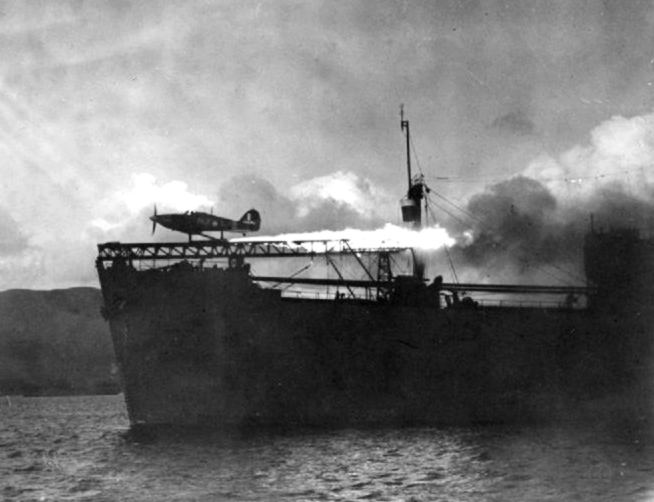
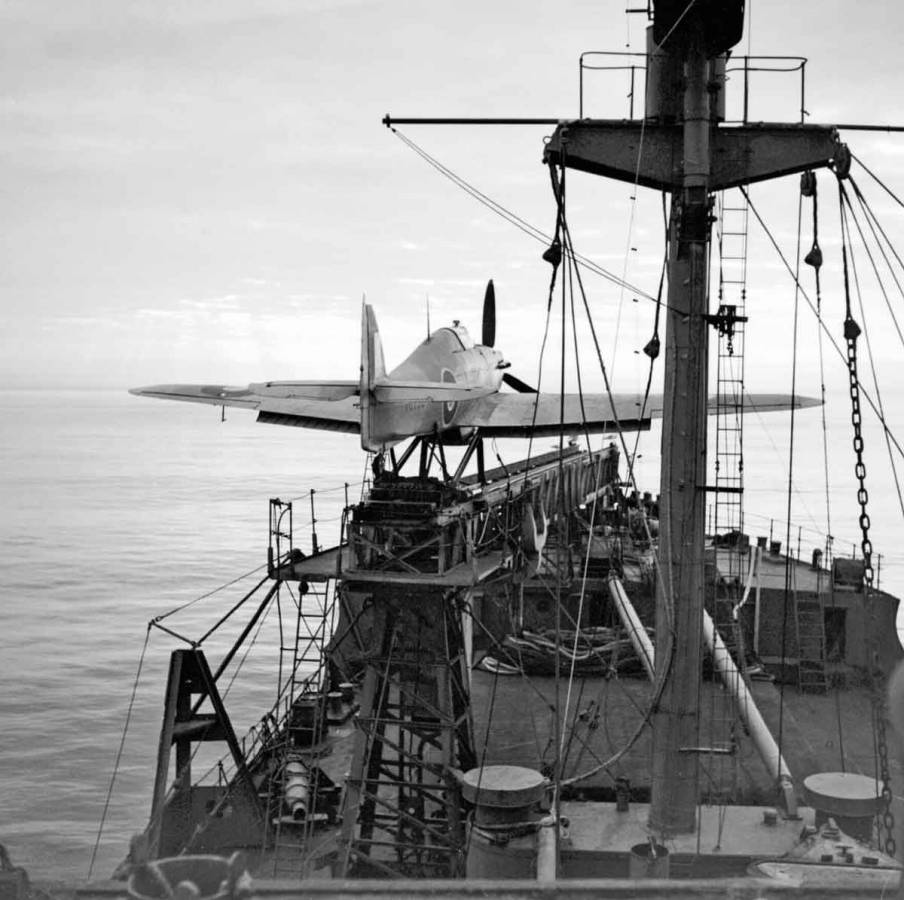
SS Empire Spring was a Ministry of War Transport3 CAM (Catapult Armed Merchant) ship4. These were British merchant ships used in convoys as an emergency stop-gap until sufficient escort carriers became available. They were equipped with a rocket-propelled catapult launching a single Hawker Hurricane to destroy or drive away an attacking bomber. Normally the Hurricane fighter would be lost when the pilot then bailed out or ditched in the ocean near the convoy.
U-136 sent a sighting report and commenced shadowing, but the transmission was triangulated by convoy escorts destroyer, HMS Chelsea5, and corvette, HMS Arbutus6.Arbutusran down the bearing to attack. The U-boat commander, responded aggressively, counter-attacking and torpedoingArbutusas she approached. The corvette broke in half and sank, with the loss of half her crew. 43 men, including her commander, were lost. U-136 was subsequently depth-charged byChelsea, damaged and forced to abandon her pursuit, saving ON-63 from further harm.
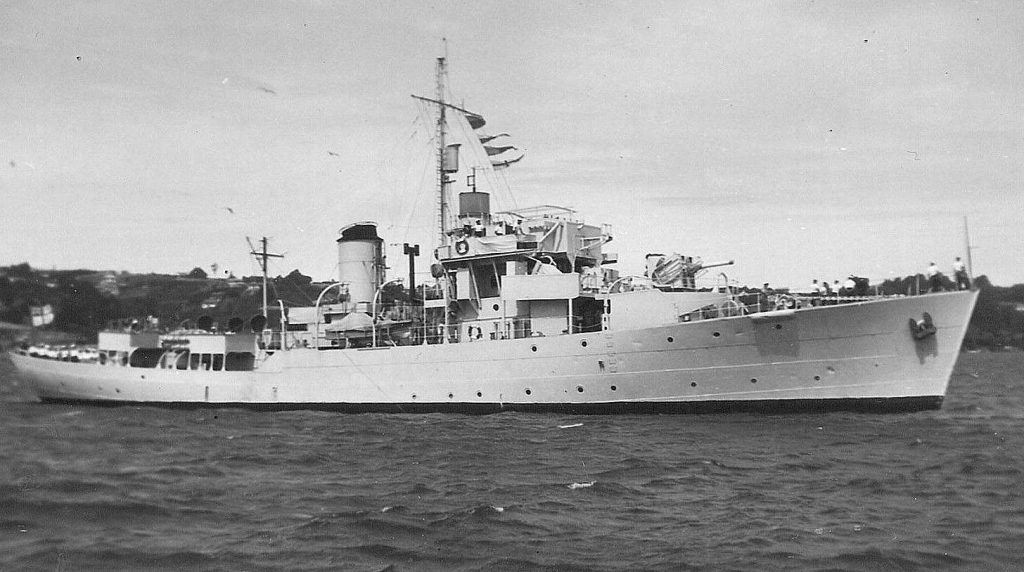
The destroyers, Upshur (DD-144)8, Gleaves (DD-423)9, Dallas (DD-199)10, Roper (DD-147)11, and the Coast Guard cutterIngham12, left Londonderry February 4. They joined up with Convoy ON-63 on February 7 and immediately Upshur’s lookouts spotted a U-boat running on the surface two miles away and gave chase, but the German lookouts were alert, and the submarine submerged before Upshur could attack.
For two hours,UpshurandInghamscoured the area, dropping 15 depth charges before they returned to their stations.Upshurhad no sooner returned to station when she again spotted the U-boat, 8,000 yards away. Accelerating to flank speed, the flush-decker headed towards the enemy, only to have the U-boat submerge out of sight once more.Upshurfired two rounds from her forward 3-inch gun, both shells splashing around the enemy’s disappearing conning tower.Gleavessoon arrived on the scene and assistedUpshurin searching for the U-boat. Neither ship was able to make contact with the enemy that day nor the next, but they succeeded in preventing the German submersible from making contact with the convoy…
Upshur I (Destroyer No. 144), 1918-1945, Naval History and Heritage Command13
The convoy, having lost only one vessel in the Atlantic crossing, HMS Arbutus, dispersed ~500 miles off the coast of Nova Scotia and the Empire Spring turned for the port of Halifax. Unfortunately the ship crossed paths with U-57614 patrolling the eastern seaboard of the the USA and Canada.
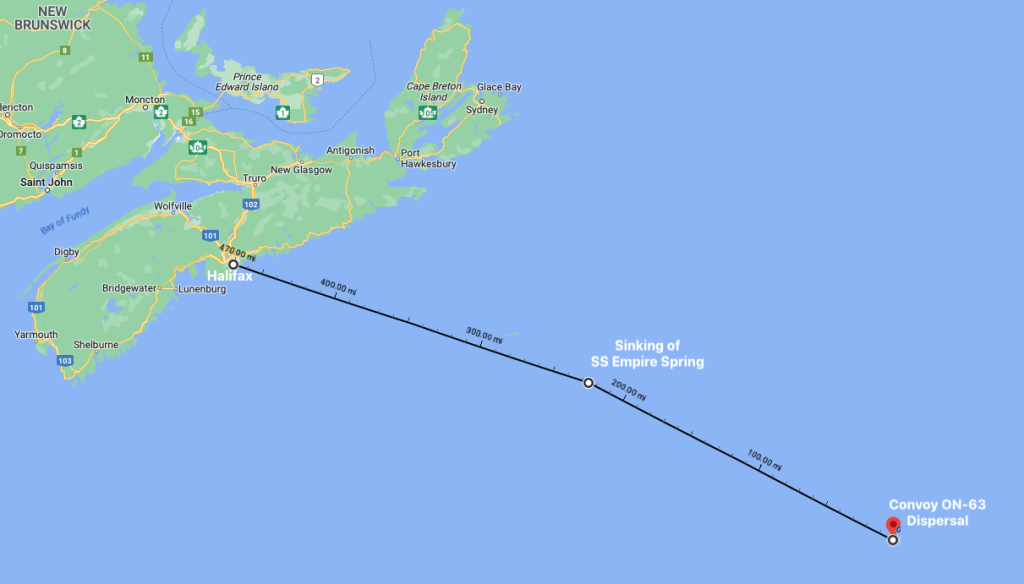
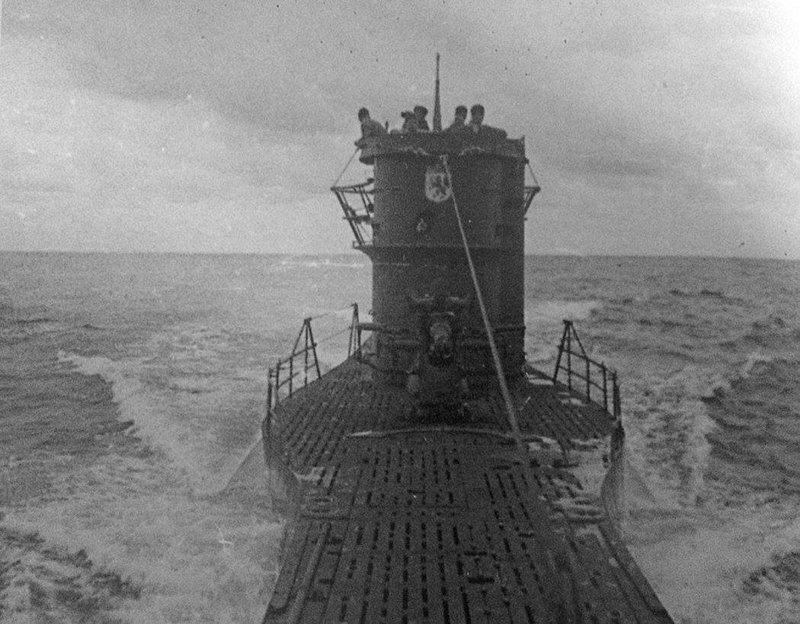
At 03.37 hours on February 14 the unescorted Empire Spring was hit on the starboard side by one of two torpedoes from U-576 about 50 miles southeast of Sable Island. The Germans observed a small fire aboard and the vessel sagged in the middle after two boiler explosions. However, the ship only broke in two and sank after being hit on the starboard side by a torpedo fired from the stern torpedo tube at 03.53 hours. The master, the commodore (Capt A.D.H. Dibben, OBE, RNR), 42 crew members17, five gunners and six naval staff members were lost.
It is now over 6 months since death was presumed, so is it so absurd to hope for further news now, but if it is allowed for security reasons, can you tell me anything about what happened?…I dared not ask before, I have no wish now to ask questions I shouldn’t, so I shall expect to hear nothing…
Elizabeth Dibben, writing to Naval Control Center about her husband Commodore Arthur Dibben18
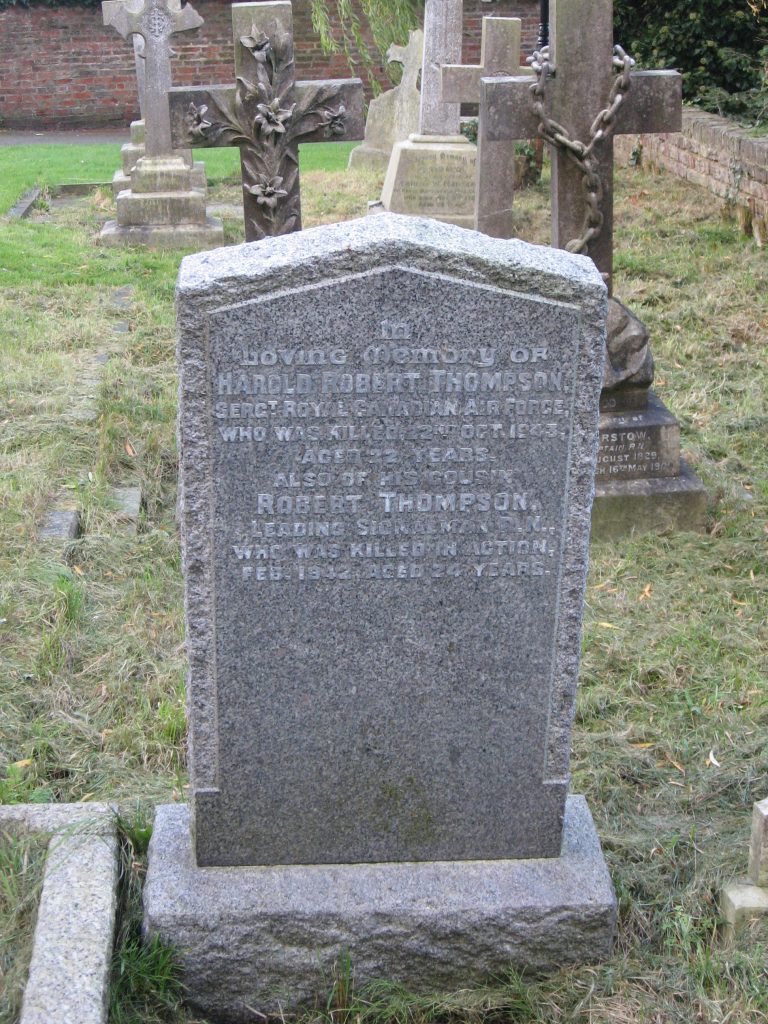
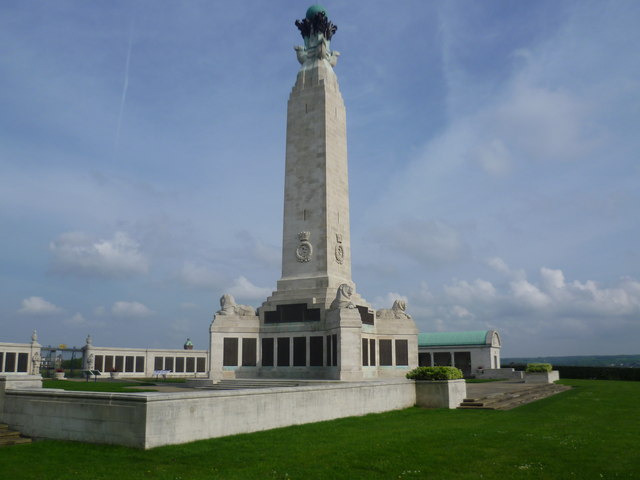
Robert and the SS Empire Spring were lost in February and his wife, Doris, gave birth to their first child Robert (Bob) the following month in March 1942. As the commodore’s wife had not received news, we must assume that Doris was also waiting on the official confirmation of Robert’s death.
Leading Signalman Robert Thompson RN (1918-1942) is remembered alongside his first cousin Sgt RCAF (Navigator) Harold Robert Thompson (1921-1943) who was lost in a training accident out of Husband Bosworth, Leicestershire. They share a gravestone in Stockton on the Forest, North Yorkshire.
Post Script
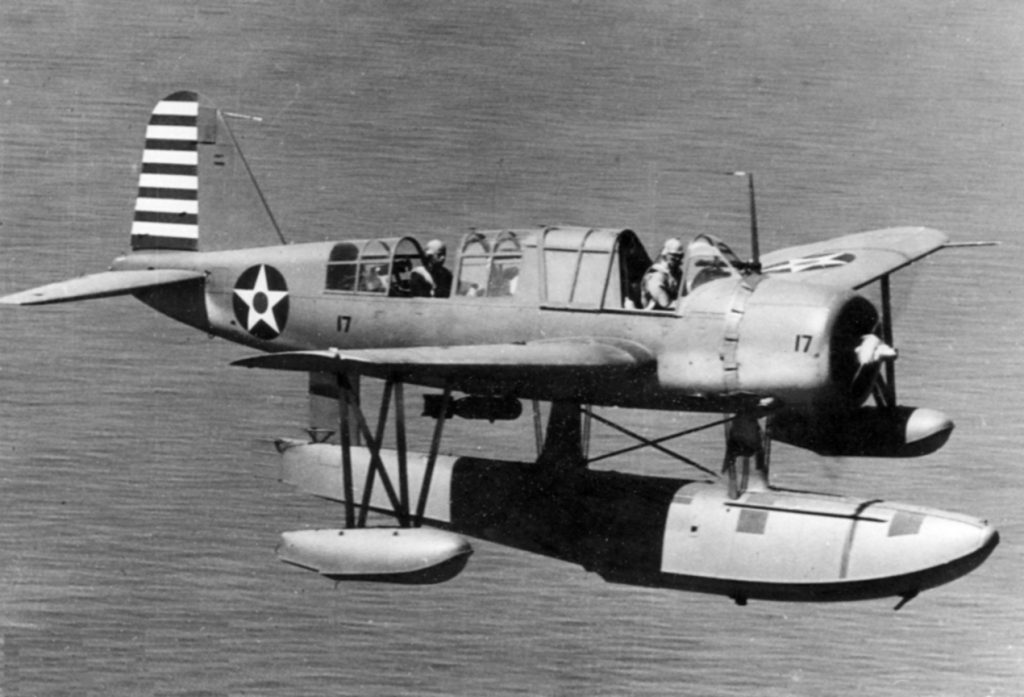
Five months later off the coast of North Carolina, U-576 encountered Convoy KS-520, which consisted of 19 merchant ships and 5 escorts steaming to Key West, Florida. She fired four torpedoes; sinking one ship and damaging two others. U-576 unintentionally surfaced in the middle of the convoy, prompting one of the escort ships to open fire on her and launch two Vought OS2U Kingfisher21 aircraft to successfully attack her with depth charges. U-576 sank, leaving a large pool of oil on the surface. All 45 crewmen on U-576 died; there were no survivors.
Family Tree
Robert Thompson is one of 31 cousins in his generation, born to the 7 children of Robert THOMPSON & Elizabeth SMITH. Robert THOMPSON (1839-1896) & Elizabeth SMITH (1849-1907) are our 2nd Great Grandparents and the common ancestors we share with Robert, their grandson. These are clear examples of large Yorkshire farming families!
- Robert THOMPSON (1839-1896) & Elizabeth SMITH (1849-1907)
- Mary Ellen Thompson (1876-1952)
- George R Thompson (1877-1958) & Jane A Richardson (1874-1950)
- Herbert R Thompson (1901-1921)
- Gladys M Thompson (1904-1972)
- Kathleen E Thompson (1905-1988)
- Robert Thompson (1907-?)
- Annie I Thompson (1910-?)
- Nellie Thompson (1912-1974)
- Hannah Thompson (1879-1960) & Richard W Gamble (1870-1942)
- Nellie Thompson (1900-1968)
- Mary Gamble (1904-1988)
- Lucy Gamble (1905-?)
- Hilda Gamble (1907-1988)
- Annie Gamble (1907-1988)
- Kathleen Gamble (1911-1981)
- Elizabeth Gamble (1913-?)
- Margaret Gamble (1916-1984)
- Eva Gamble (1917-1999)
- Dorothy Gamble (1922-1923)
- James Thompson (1881-?) & Emmie Simnett (1885-1989)
- Emmie Thompson (1911-1988)
- William J Thompson (1912-1995)
- Grace E Thompson (1914-2004)
- Ann E Thompson (1883-1949) & James R Richardson (1883-1958)
- Kathleen Richardson (1907-1997)
- Hazel C Richardson (1922-1997)
- Harold Thompson (1886-1960) & Myra Edith Thompson (1887-1979)
- Earl D Thompson (1914-1972)
- Margaret E Thompson (1915-2001)
- Mary E Thompson (1919-1998)
- H Robert Thompson (1921-1943)
- Herbert Thompson (1887-1960) & Gertrude Scott (1887-1967)
- Herbert Thompson (1911-1981)
- Harold Thompson (1913-1995)
- Robert Thompson (1918-1942)
- Gertrude Thompson (1920-2002)
- William THOMPSON (1891-1964) & Clara Eva BAKER (1893-1962)
- Winifred May THOMPSON (1920-1977) & Charles Reginald BAINBRIDGE (1915-1994)
- Our direct line…
- David William Thompson (1930-2015) & Anne J M Golledge (1939-1992)
- Winifred May THOMPSON (1920-1977) & Charles Reginald BAINBRIDGE (1915-1994)
References
- Convoy ON.63, Convoy Web ↩︎
- Hawker Sea Hurricane 1A (Hurricat), Wikipedia ↩︎
- Ministry of War Transport, Wikipedia ↩︎
- CAM Ship, Wikipedia ↩︎
- HMS Chelsea, Wikipedia ↩︎
- HMS Arbutus (K86), Wikipedia ↩︎
- Flower Class Corvette, Wikipedia ↩︎
- USS Upshur (DD-144), History of War ↩︎
- USS Gleaves, Wikipedia ↩︎
- USS Dallas, Wikipedia ↩︎
- USS Roper, Wikipedia ↩︎
- USCGC Ingham (WHEC-35), Wikipedia ↩︎
- Upshur I (Destroyer No. 144), 1918-1945, Naval History and Heritage Command ↩︎
- German Submarine U-576, Wikipedia ↩︎
- Convoy Dispersal, SS Empire Spring, & Halifax location, Google Maps ↩︎
- Back In Time With Lasers of the Future, Ocean Exploration, NOAA ↩︎
- Empire Spring, Merchant Navy Memorials at Tower Hill ↩︎
- Elizabeth Dibben desperate for news, Second World War Experience Centre ↩︎
- Chatham Naval Memorial on Great Lines Heritage Park,Geograph ↩︎
- Chatham Naval Memorial, Wikipedia ↩︎
- Vought OS2U Kingfisher, Wikipedia ↩︎
- Donaldson’s Empire Spring with Hawker Hurricane on Catapult, Ships Nostalgia
- List of Empire Ships, Wikipedia
- Lost In The Dark: Navy, Part 45, Legion Magazine
- Upshur DD-144, History Central
- HMS Pimpernel, uboat.net
- USS Unicoi, Wikipedia
- Ships hit from convoy ON-63, uboat.net
- Empire Spring, uboat.net
- Empire Spring Crew List, uboat.net
- U-576, Monitor National Marine Sanctuary
- Robert Thompson, RN (C/JX 185536). British, uboat.net
- Leading Signalman Robert Thompson, SN: C/JX 185536, Commonwealth War Graves Commission
- Chatham Naval Memorial, Wikipedia
- M.V. EMPIRE SPRING (Greenock) WW2, Men of the Merchant Navy


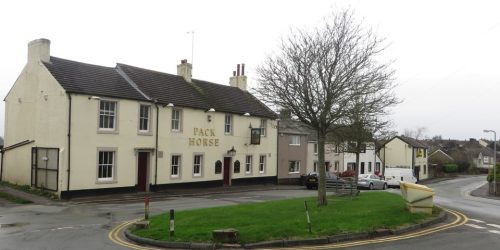


Another crewman was posted in the Facebook Group: Past soldiers of Pendle.
During the Second World War, Barrowforder Third Radio Officer Douglas Halstead, Merchant Navy, was killed following the sinking of his vessel M.V. Empire Spring on 14 February 1942.
Born at Nelson in 1922, Douglas Halstead was the son of Councillor Reuben Halstead and Amy Halstead. His father, Reuben, was a Shuttle Manufacturer for textile weaving and a member of the Barrowford Urban District Council, and during the Second World War was the Chairman of the Council. The Halstead family resided at 6 Carr Hall Road, Barrowford. In 1939, Douglas was working as a costing and estimating clerk, possibly with his father’s firm.
During the Second World War, Douglas’ father Reuben, as well as one of his brothers, served in the Barrowford Company of the Home Guard, with the former being the company’s commanding officer. Another brother served in the army.
Douglas himself joined the Merchant Navy, qualifying as a Radio Officer with the Marconi radio system. His first voyage was as Third Radio Officer to the SS Vile De Tamatave, and they arrived at New York on 21 November 1941. His second voyage was onboard the M.V. Empire Spring, which was registered at the port of Greenock.
In early 1942 the Empire Spring departed from Manchester as part of a dispersed convoy to Halifax, Canada. On 15 February 1942 it was reported missing with all hands, caused by enemy action. According to the website Uboat . Net, the vessel was around 50 miles south east of Sable Island, Canada, when at 3.37am on 14 February it was hit by a torpedo launched by the U-boat U-576. The submarine crew noted that a small fire had subsequently broken out on the vessel and that there were two boiler explosions. At around 3.53am a second torpedo hit the Empire Spring, causing it to split in half and sink.
All 55 onboard, including Douglas, were lost in the sinking. Although the ship was attacked on 14 February, his date of death is officially recorded as being 15 February, as that is when the ship was reported as being missing after not arriving at its destination.
Douglas Halstead was just 19 years old at the time of his death. He is commemorated on the Tower Hill Memorial in London, which commemorates civilian, merchant navy and fisherman who died as a result of enemy action during the World Wars and have no known grave.
https://www.facebook.com/groups/657125081519092/permalink/1938929630005291/